The menu is the page, and a PDF is not a menu
Restaurants & Hospitality: web design, development, and search visibility from a team in Mississauga working across Canada and the US.
Somebody deciding where to eat tonight is doing three things: checking you are open, checking what you serve, and booking. All three happen on a phone, usually within about ninety seconds, and often without ever loading a page you designed. What decides the outcome is whether the facts about your restaurant exist somewhere a machine can read them.
The problem this sector actually has
Restaurants lose more search visibility to one habit than to anything else, and it is the PDF menu. A menu inside an image or a PDF is invisible to search, invisible to an assistant asked what is good for a gluten-free dinner nearby, and painful on a phone. The second issue is hours and location: this is one of the few sectors where a structured data mistake directly costs covers, because the answer to "are they open" gets read straight out of your markup and your profile. And groups with two or three rooms usually put them on one page, which turns two locations into half a ranking each.
Who this is for
- Restaurants whose menu is a PDF, an image, or a link to a third-party app
- Groups running two or more rooms from a single page that mentions both
- Anyone paying a delivery platform a commission on customers who were searching for them by name
- New openings that need to exist in local search before the first weekend
What we build
- Mobile-first menus with real-time updates, not a scanned PDF
- Reservation and online ordering integration
- Location and hours structured for Google's local pack
What the engagement covers
Menus as text, updated by you
Dishes, descriptions and prices as real content, editable without a developer and without regenerating a file. That is what makes a menu findable, readable on a phone with one bar, and quotable by an assistant asked what you serve.
Hours, location and booking as structured data
Restaurant and opening-hours markup on each room, matching the Business Profile exactly. This is the layer that answers whether you are open tonight, and it is read by more surfaces than your website has visitors.
A page per room
Two locations get two pages with genuinely different content: the neighbourhood, the space, the hours, the menu differences. One page naming both cities ranks properly for neither, and it is the most common structural mistake in hospitality sites.
Reservations that survive the last click
Booking integrations that keep the visitor on your site until the point of confirmation, rather than throwing them to a third-party page that looks like a different business. The drop-off between deciding and booking is where most of the loss happens.
Seasonal changes that reach the index
A menu that changes quarterly is only an advantage if the changes get crawled. Structure and update flow matter more here than in almost any other sector, because the content is genuinely fresh and most restaurants get no credit for it.
Built for this sector
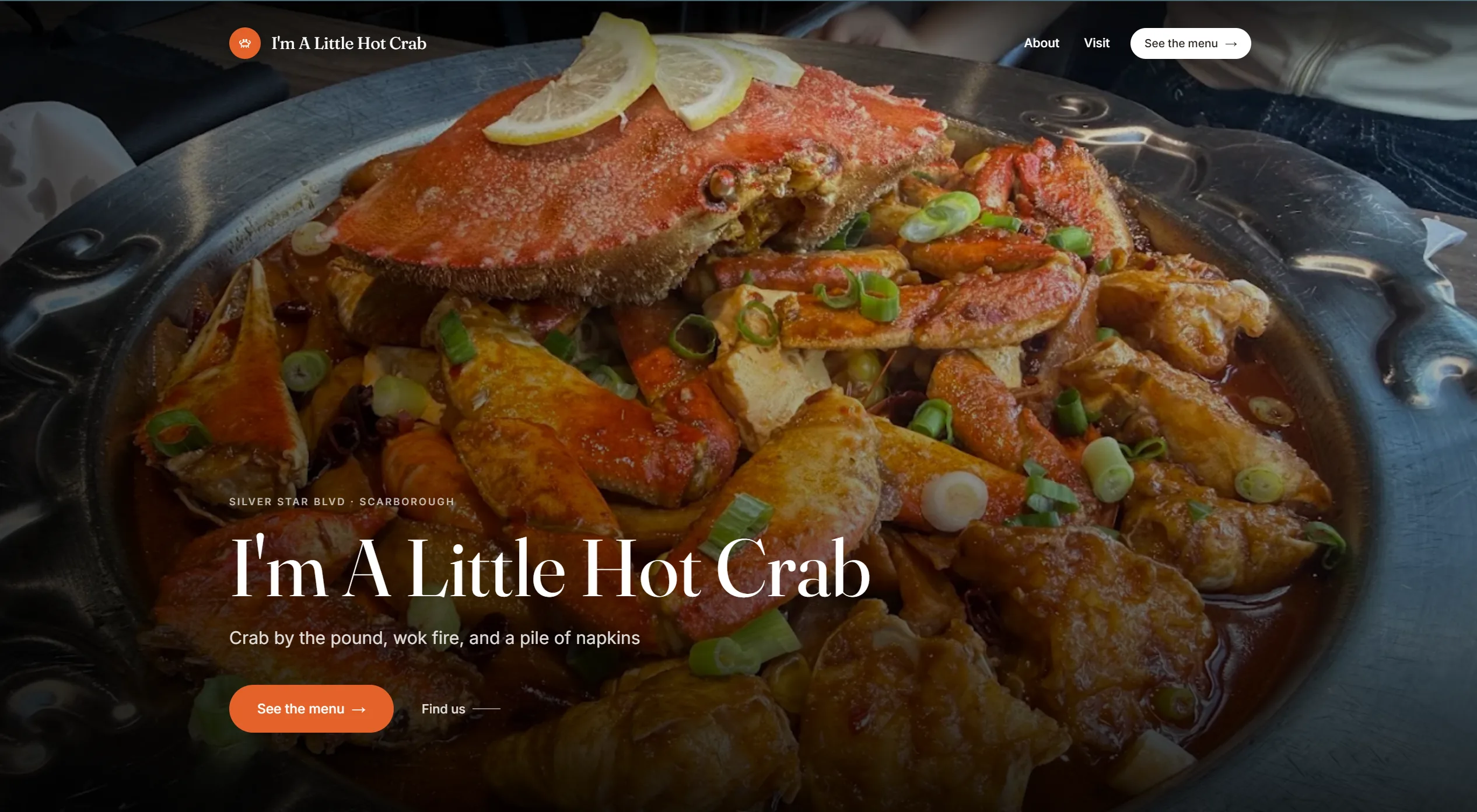
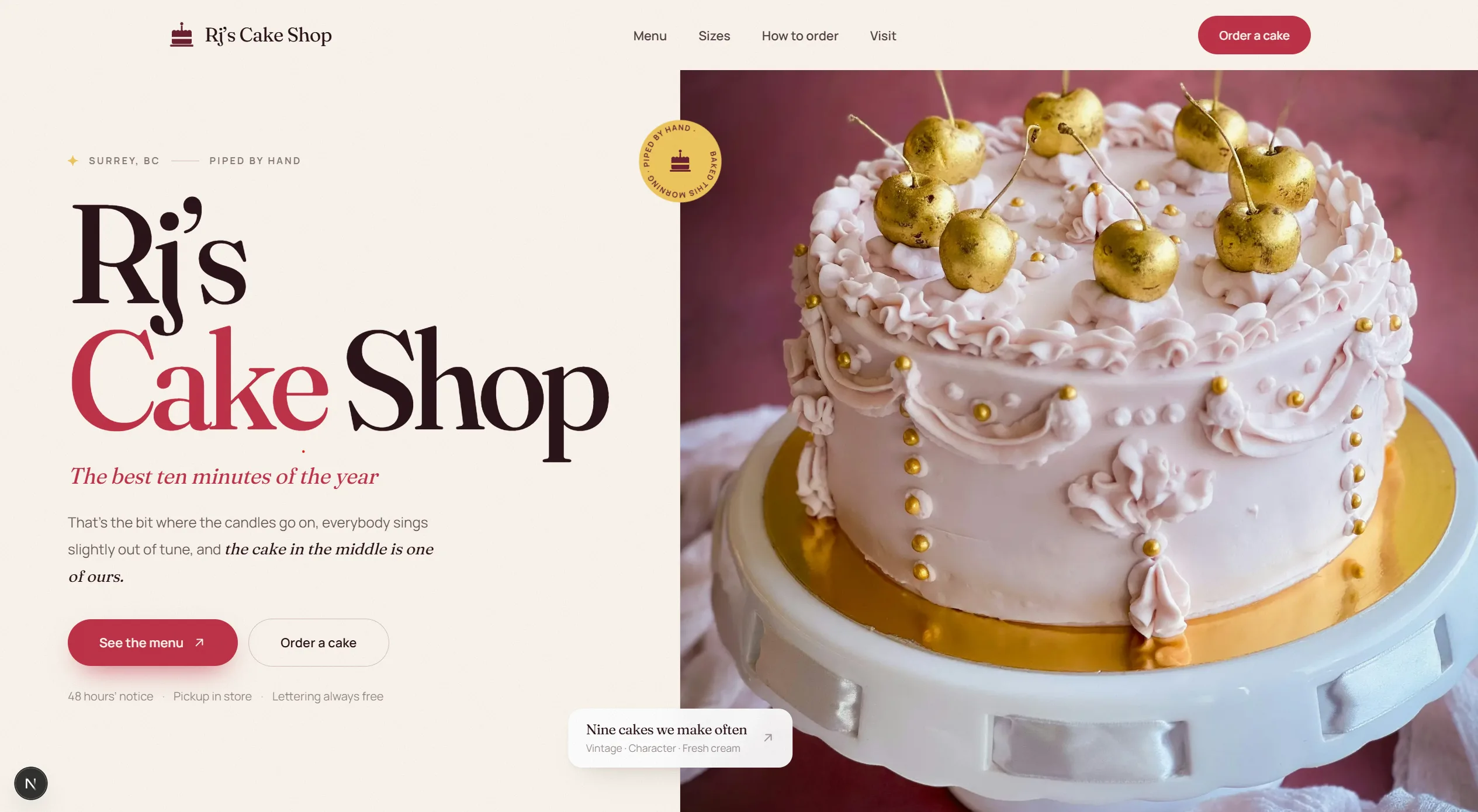
Questions this sector asks first
Why does a PDF menu matter if customers can still open it?
Because most of the deciding now happens before anyone opens anything. A search for a dish, a dietary requirement or a cuisine near a neighbourhood is matched against text, and a PDF has none that counts. The same goes for an assistant asked for a recommendation: it can quote a menu it can read, and it will name a restaurant whose menu it could read over one whose it could not.
We are on the delivery apps. Do we need our own site?
The apps are a sales channel and they are not a search presence. A large share of the people ordering through them searched for you by name first, which is a commission paid on a customer you already had. Your own site is where that traffic lands, where the booking is free, and where the local pack sends people.
How much of this is the website and how much is Google?
For a restaurant, most of it is the Business Profile, and that is work only you can do because Google verifies it against you. The website's job is to agree with the profile in a form machines can read, and to convert the visit once somebody arrives. They fail together: a strong profile pointing at a site with no readable menu wastes the profile.
Can you handle a group with several rooms and one brand?
Yes, and the structure is the interesting part. Each room needs enough of its own content to earn its own page, while the brand stays one entity rather than three competing ones. Getting that wrong in either direction is the usual cause of a group ranking below independent restaurants in its own neighbourhoods.